Freelancing. The freelancing business model allows you to get started with almost no investment. Your services can be sold to clients at any time. Employers do not employ you. It is up to you when you do the task, and you can do it at a time that is convenient for you.

Freelancing: What Is It?
Freelancing refers to working independently, offering services to multiple clients without being tied to a long-term employer. Freelancers are typically self-employed, managing their own work schedules, client relationships, and contracts. They can work across various industries such as writing, graphic design, software development, marketing, and more.
Key Features of Freelancing:
- Independence: Freelancers control their work schedules and clients.
- Project-Based Work: They work on specific assignments or projects for different clients.
- No Long-Term Commitment: Freelancers typically aren’t bound to long-term contracts.
- Self-Employment: Freelancers manage their own taxes, benefits, and administrative tasks.
- Diverse Skill Sets: Freelancers often possess skills in areas like writing, design, programming, marketing, and consulting.
What is the working process for freelancers?
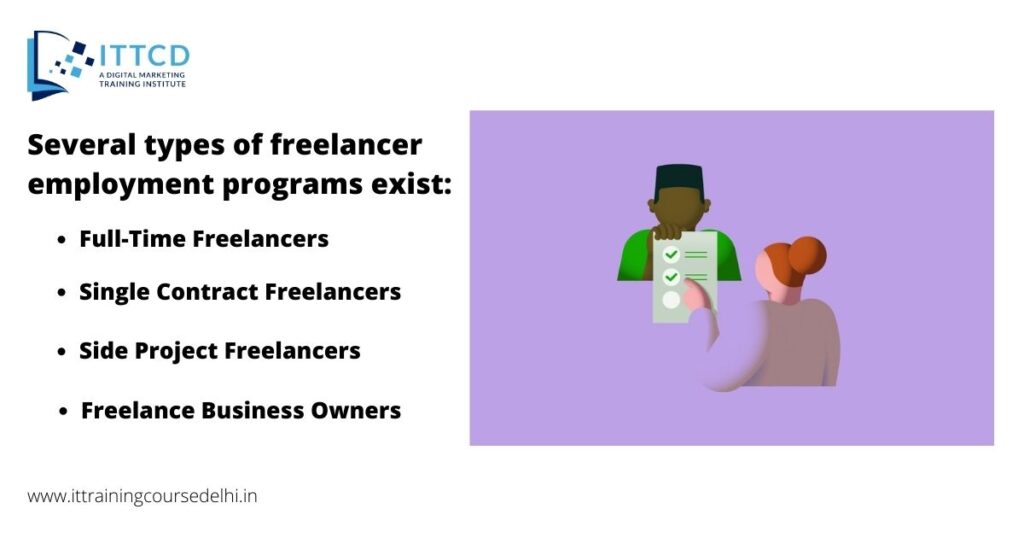
Several types of freelancer employment programs exist:
Types of Freelancing Projects
Freelancing covers almost every industry, including:
- Writing and Content Creation (e.g., blog posts, copywriting)
- Web Development and Programming
- Graphic Design and Illustration
- Digital Marketing (SEO, social media management)
- Consulting and Coaching (in various niches like business, personal development)
- Virtual Assistance
How to Get Powerful Freelancing Projects in 2026
With the growing demand for skilled freelancers, the landscape for finding impactful projects is changing. Here’s how to land powerful projects in 2026:
- Build a Strong Online Presence
- Portfolio: Create a professional portfolio showcasing your best work. This could be a website, LinkedIn profile, or a presence on platforms like Behance (for designers) or GitHub (for developers).
- Social Media Presence: Use LinkedIn, Twitter, or Instagram to share your expertise, success stories, and client testimonials.
- Blogging/Content Creation: Regularly publish blog posts, videos, or other forms of content showcasing your knowledge and expertise in your niche.
- Improve Your Skills
- Stay updated with new tools, trends, and technologies in your field.
- Take courses to enhance your skills, ensuring that you remain competitive. Platforms like Coursera, Udemy, and ITTCD (Indian Tech and Training Community Development) offer valuable learning resources.
- Build a niche skillset to stand out from the crowd.
- Join ITTCD or Similar Training Programs
- ITTCD offers specialized training, particularly in the digital marketing space, to help freelancers enhance their skills and attract high-quality projects. If you’re interested in growing your freelancing business, programs like these provide essential knowledge, certifications, and industry-recognized credentials.

Digital Marketing Course Fees, Duration, and Eligibility
| Course Type | Fees | Duration | Eligibility | Free Demo |
| Diploma in Digital Marketing Course | ₹ 25,000 | 3 months | Min. 10th pass | Book Now |
| Master in Digital Marketing Course | ₹ 45,000 | 6 months | Min. 10th pass | Book Now |
Elevate Your Freelancing Career with ITTCD’s Advanced Digital Training
Boost your freelancing potential by mastering in-demand skills with ITTCD’s specialized courses in digital marketing, SEO, web development, and more. Tailored for freelancers, these hands-on programs equip you with the tools and certifications needed to attract high-paying clients, scale your business, and stay ahead in the competitive digital landscape.
Read Also: What Is Display Advertising? and its Benefits in2026
| Follow Us On Google News | Click Here |
| Facebook Page | Click Here |
| Telegram Channel | Click Here |
| Click Here | |
| Website | Click Here |
What is freelancing?
It is a way of working independently where a person provides services to different clients without a permanent job.
2. Who can start this type of work?
Students, job seekers, professionals, and business owners can start if they have any digital or creative skill.
3. What skills are useful to begin?
Skills like graphic design, content writing, website development, social media management, and online advertising are commonly used.
4. Which platforms help find clients?
Popular platforms include Upwork, Fiverr, Freelancer, and PeoplePerHour.
5. Can beginners start without experience?
Yes, beginners can begin by learning a skill, creating a small portfolio, and taking small projects.
6. How much income is possible?
Income depends on skill level and projects, but many people earn from ₹20,000 to ₹1,00,000 or more per month.
7. Is this a good career option?
Yes, it offers flexibility, remote work opportunities, and the chance to work with global clients.
8. How do people find projects?
Projects can be found through online platforms, social media, networking, and personal websites.