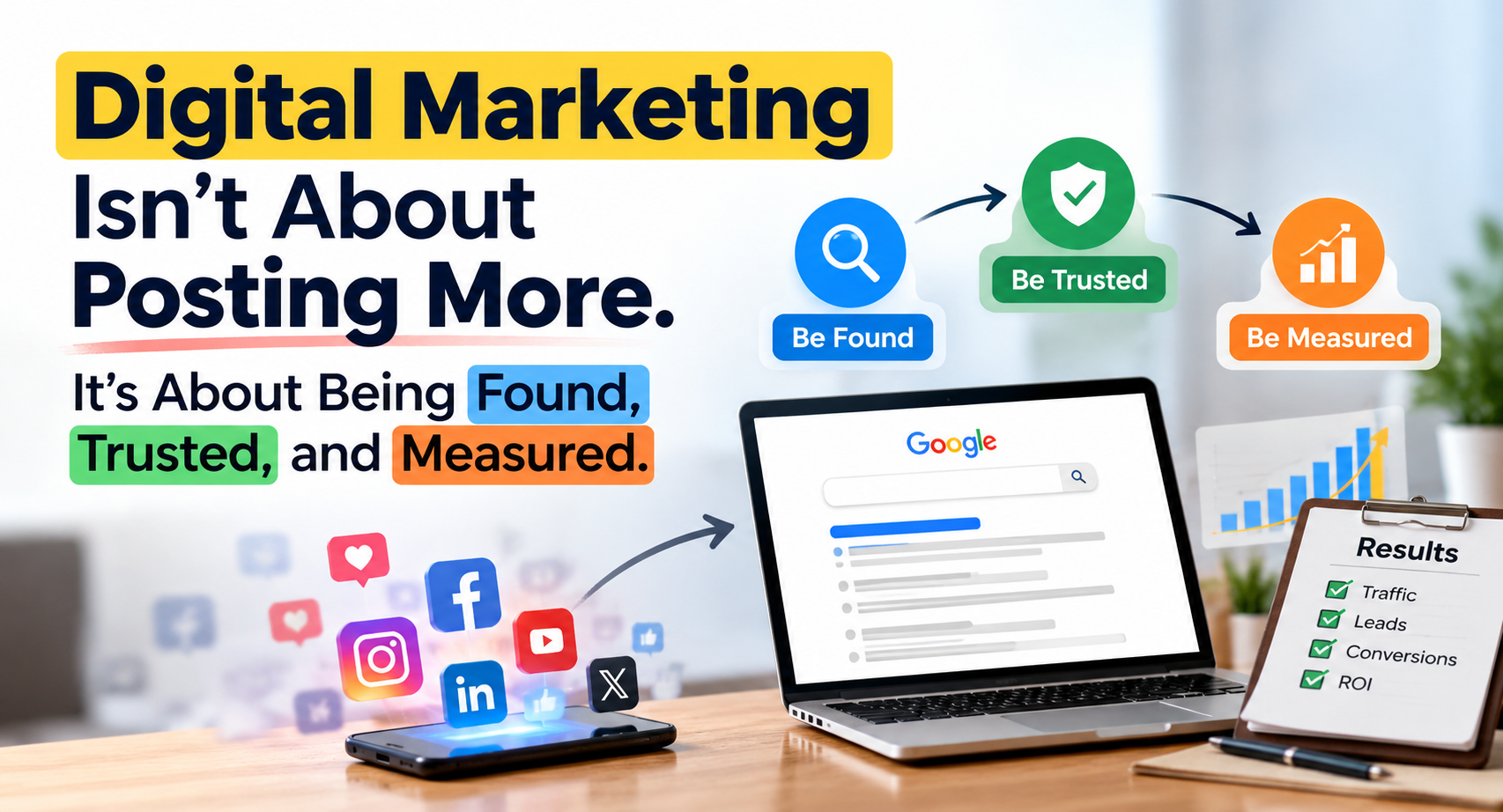
Digital Marketing for beginners: Picture two coffee shops on the same street, with the same budget and the same great espresso.
The first one posts on Instagram when it remembers, runs a boosted ad now and then, and hopes for the best. The second one knows who its customers are, what they search for, where they spend time online, and which of its efforts actually bring people through the door.
A year later, only one of them has a waiting line. The difference wasn’t talent or luck. It was a system.
That system is what a good digital marketing course teaches. Here are the lessons that matter most, in the order that makes them useful. Digital marketing for beginners with 8 important lesson:
Start with the person, not the platform
Beginners ask, “Should I be on TikTok or LinkedIn?” Professionals ask, “Who am I trying to reach, and what do they need?”
Before you create anything, build a simple audience profile:
Who are they? Age range, job, location, interests.
What problem do they have? Be specific. “Wants to lose weight” is vague. “Wants 20-minute home workouts that fit around kids” is a marketing message.
Where do they look for answers? Google, YouTube, Instagram, a newsletter, a WhatsApp group.
Everything else, from keywords to ad copy, flows from this.
Understand the funnel
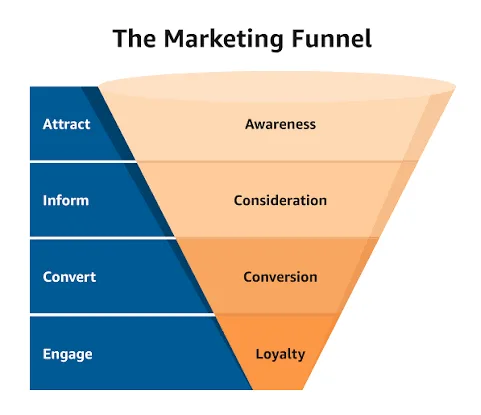
Every customer moves through stages, and each stage needs different content:
Awareness: They discover you exist (blog posts, short videos, social posts).
Consideration: They compare options (case studies, guides, webinars).
Conversion: They decide to buy or sign up (clear offers, testimonials, strong landing pages).
Retention: They stay and tell others (email, support, community).
Most struggling brands pour everything into awareness and wonder why nobody buys. If you’re getting traffic but no sales, the gap is almost always in the middle of the funnel.
Learn SEO as the art of answering questions
Search engine optimization sounds technical, but at its core it means this: people type questions into Google, and you want your page to be the best answer.
The basics worth mastering:
Search intent: Is the person looking to learn, compare, or buy? Match your content to that intent.
Keyword research: Free tools like Google Keyword Planner and Google Trends show what people actually search for.
On-page essentials: A clear title, a helpful meta description, descriptive headings, fast loading, and mobile-friendly design.
Depth over tricks: Search engines reward content that genuinely helps readers.
SEO is slow, but it compounds. A good article can bring visitors for years.
Create one big idea, then slice it up
Content marketing doesn’t mean producing endless new material. It means getting the most from each idea.
Take one solid piece, like a detailed guide, and turn it into:
A short article or newsletter
Five social posts
A short video or carousel
An email series
A quote graphic or checklist
This is called content repurposing, and it’s how small teams look like big ones.
Pick two social platforms and do them well
Being everywhere means being average everywhere. Choose the two platforms where your audience already spends time and commit to a steady rhythm.
A few habits that work across platforms:
Lead with value (tips, stories, quick wins), not constant promotion.
Reply to comments. Social media is a conversation, not a billboard.
Watch what your audience saves and shares, then make more of it.
Build an email list, the channel you own
Algorithms change. Accounts get restricted. Reach drops overnight. Your email list is the one audience that’s truly yours.
Offer something useful in exchange for an address, such as a checklist, template, or mini-guide. Then send emails people want to open:
A subject line that creates curiosity or promises a clear benefit
One main idea per email
One clear call to action
Even a small, engaged list usually outperforms a large, passive social following.
Treat paid ads as experiments
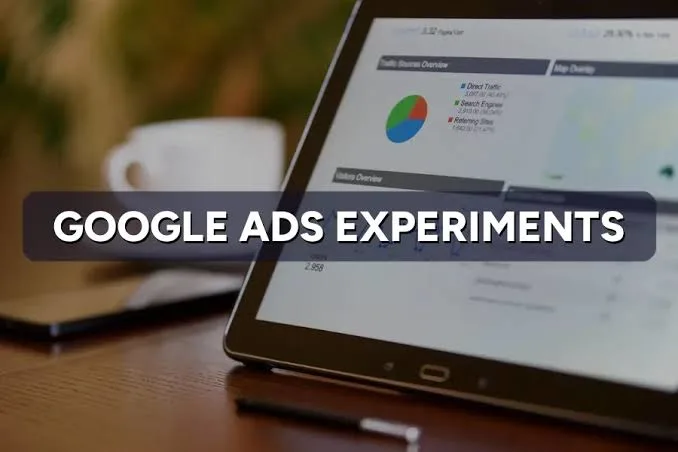
Paid advertising on Google or Meta isn’t a magic switch. It’s a testing lab. Start with a small budget and change one thing at a time:
Test two headlines against each other.
Test two images or videos.
Test two audiences.
Keep what works, drop what doesn’t, and scale slowly. Many beginners lose money by spending big before they know what converts.
Measure what matters
Likes feel good, but they don’t pay the bills. Learn to separate vanity metrics from actionable ones:
Vanity metric Actionable metric
Followers Email sign-ups
Page views Conversion rate
Likes Cost per customer
Impressions Return on ad spend
Set up Google Analytics, use UTM links to track which campaigns bring results, and review your numbers on a schedule, weekly or monthly. Data turns guessing into decisions.
Your 30-day starter plan
- Week 1: Define your audience and one clear goal (for example, 100 email subscribers).
- Week 2: Research 10 keywords and publish one helpful, search-focused article.
- Week 3: Repurpose that article into social posts and one email. Launch your sign-up offer.
- Week 4: Review your analytics, keep what worked, and plan next month around it.
The takeaway
Digital marketing rewards people who are consistent, curious, and willing to learn from data. You don’t need a huge budget or a viral moment. You need to understand your audience, give them real value, and measure what happens.
Start small, start this week, and let your results guide what comes next.
Which of these Digital marketing for beginner best eight lessons do you most want to put into practice first? Tell me in the comments.
Want to know more about Digital marketing for beginner: https://www.ittrainingcoursedelhi.in